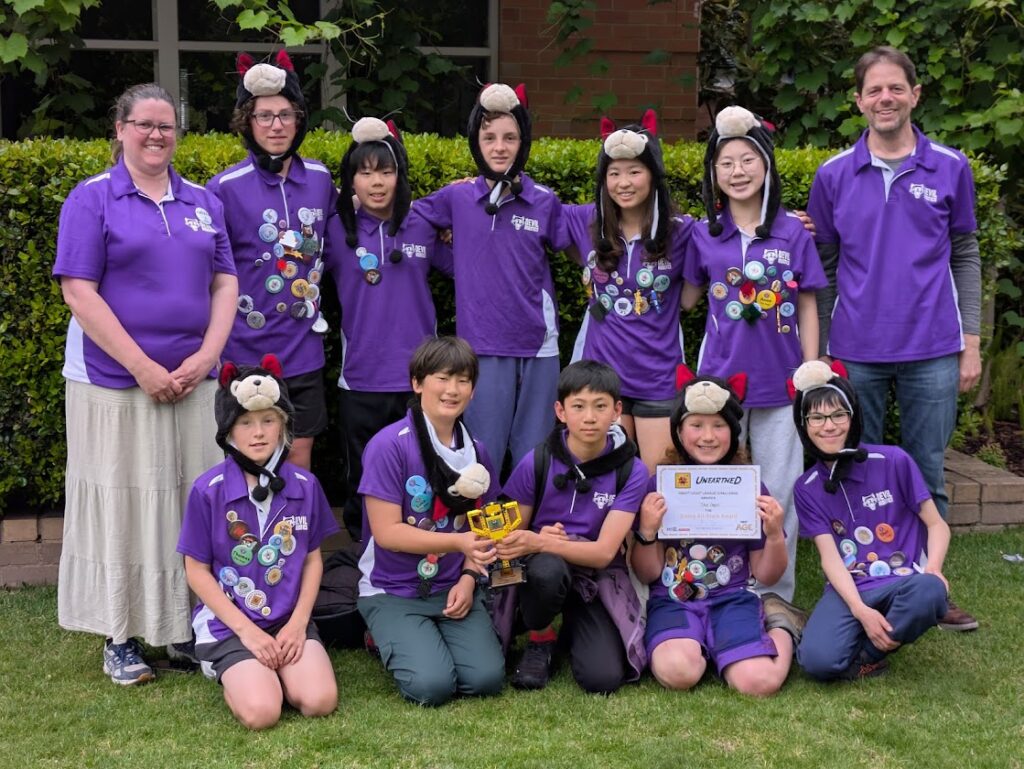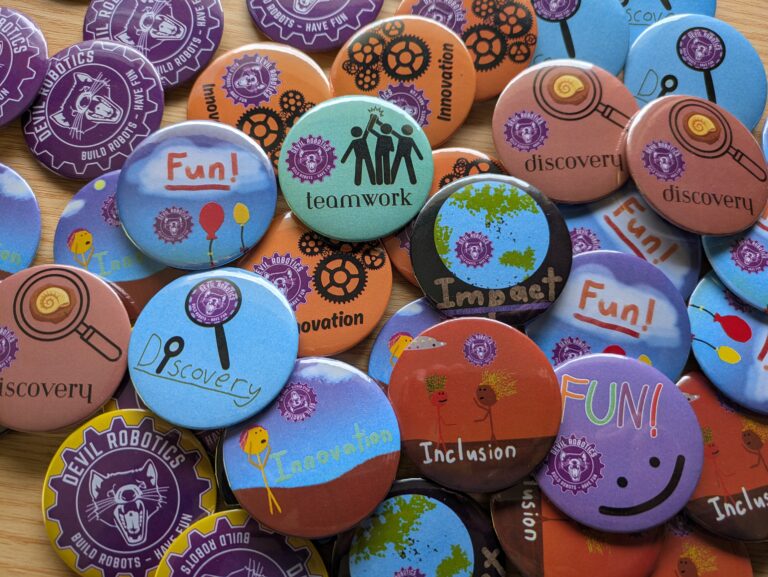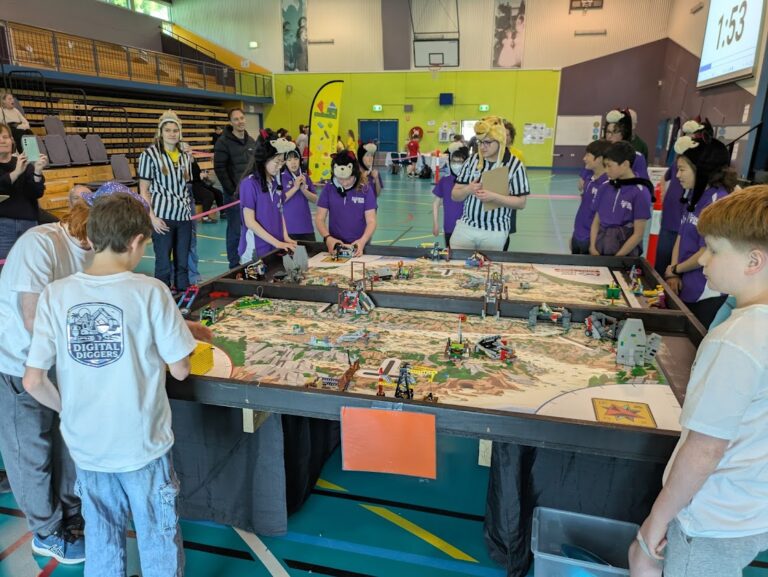
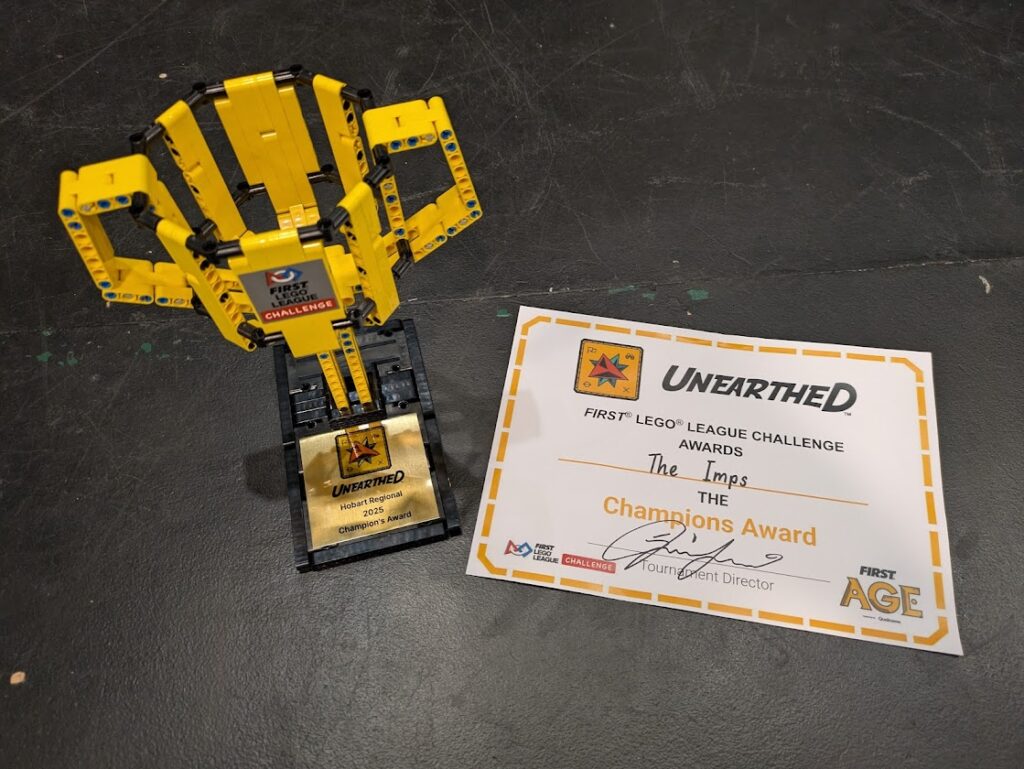
Devil Robotics’ FIRST LEGO League team, The Imps, had a strong season in 2025. At the Hobart Regional on 8 November at St Mary’s College, they earned the Champion’s Award. This is the highest award at an FLL event, and recognises the team with the best overall performance across all four areas of the competition: Core Values, Robot Performance, Robot Design, and the Innovation Project. This result qualified them for the National Championship South in Melbourne on 6 December, where they received the Rising All-Stars Award, which celebrates a team that the judges notice and expect great things from in the future.
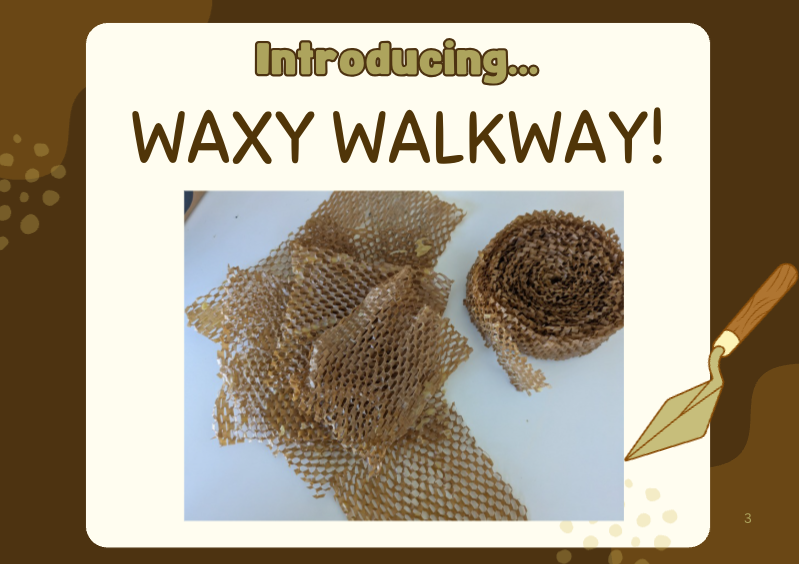
The theme for this year’s competition was archaeology, so for the Innovation Project, they identified the problem of slips, trips, and falls on muddy or uneven terrain, which was an issue raised by the archaeologists they spoke to. Their solution, the Waxy Walkway, involved creating a lightweight, flexible, and biodegradable mat made from beeswax‑coated honeycomb paper, designed to improve grip and reduce injuries for archaeologists and other outdoor workers. They developed and tested prototypes, explored anchoring options using mycelium-based “mush spikes,” and demonstrated how the design could also help gardeners, builders, and others who work on challenging surfaces.
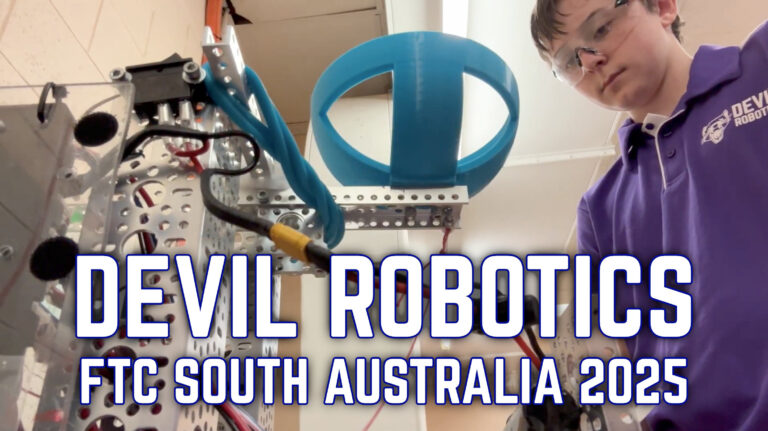
For this year’s Robot Game, the team chose to use PyBricks, which enabled them to program their robot using a version of Python that’s much simpler to work with than the standard SPIKE Python as well as take advantage of built‑in movement functions. However, this also meant learning a new coding environment and solving challenges such as creating their own menu system and working around a lack of iPad support.
Seeing the group come together this year was one of the highlights. The team’s coding and building skills developed significantly, but what stood out most was their personal growth, in terms of the confidence, teamwork, and determination each member showed. As the season progressed, it became clear how important it was to document the process, with design journals and research notes playing a key role. Next year’s team needs to build on this, by ensuring that everyone updates their design journal regularly and takes time to look at the research done by others.